On Demand | IPMI Learning Lab
How to Make Parking Work for People: Kitchener’s Trust-First Approach to Parking Tech
📆 Presented May 2025
Don't Miss
These Insights
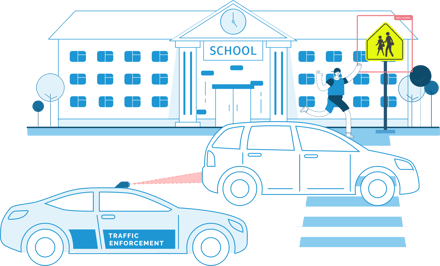
AI-based enforcement makes parking enforcement safer and more consistent by solving several practical challenges. Officers no longer need to stop and park in busy school zones, fewer drivers avoid penalties by leaving when they spot enforcement in progress, and staff face fewer confrontations and safety risks.
Officers still review tickets before they are finalized, which helps reduce errors and increases the acceptance rate for tickets in school zones.
AI cameras can automatically detect violations as officers drive through, which means every violation is captured more evenly. That reduces claims of unfair ticketing, lowers the need for in-person confrontations, and helps create safer conditions for officers.
By doubling parking enforcement to twice a week in every school zone, Kitchener authorities saw a significant 25-35% increase in parking ticket revenue from November 2024 to June 2025.
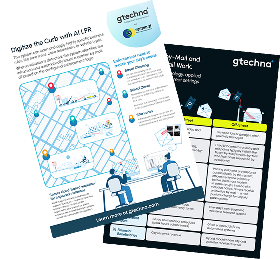
Ticket-by-Mail for On-Street Enforcement
Learn how Ticket-by Mail and Invoice-by Mail work.
Meet the Speakers
Mike Bourre
VP Sales & Marketing,gtechna

Ian Misheal
The City of Kitchener,Innovation in Parking Operations and Programs Award Winner

Ben Pisch
VP Clients and Markets NA,SenSen
-1.png?width=240&height=240&name=Group%2035869%20(1)-1.png "Group 35869 (1)-1")
About Kitchener
The City of Kitchener is one of Canada’s fastest-growing urban centers. It’s located in Ontario, about 100 kilometers west of Toronto and part of the Regional Municipality of Waterloo, along with its "twin city" Waterloo and the neighboring city of Cambridge.
- City Population: 292,000 people
- Metropolitan Population: 670,000 residents
- Student Population: Over 100,000 students in the region
- Urban Density: 1,900 people per km²
The city’s rapidly growing population is putting a strain on parking capacity, making efficient management and enforcement crucial to ensure safety, maintain accessibility, and keep traffic flowing smoothly, particularly in the busy downtown areas and near schools.

Measurable Results
Impact in Enforcement Coverage
- Fewer errors/fewer complaints ⇒ photo records enable reviews
- Consistent enforcement ⇒ reduced claims of unfair targeting
- Safer officers ⇒ reduced in-person confrontations
- Positive public perception ⇒ strong support for fairness and safety
- Internal pride and morale ⇒ staff feel empowered, proud to work in a “smart city” using cutting-edge tech